
Some job interviews involve more than answering questions. You might be asked to work with other candidates, solve a problem as a group, or complete a practical activity together.
These collaborative hiring exercises can feel unusual, especially when everyone is trying to make a good impression.
But here’s the thing: employers aren’t always looking for the person who talks the most. They’re often interested in how you communicate, cooperate, and contribute when working with others.
Understand What the Exercise Is Measuring
Collaborative activities give employers a chance to observe workplace behavior in a practical setting.
They may be interested in your ability to listen, share ideas, solve problems, and work toward a common objective.
Some exercises involve discussing a business scenario. Others require planning a project, organizing information, or making a group decision.
Before starting, listen carefully to the instructions.
Understanding the task and its expected outcome helps you contribute more effectively.
Focus on Helping the Group Succeed
It’s natural to want your individual abilities to stand out.
However, trying to control every discussion can create the wrong impression.
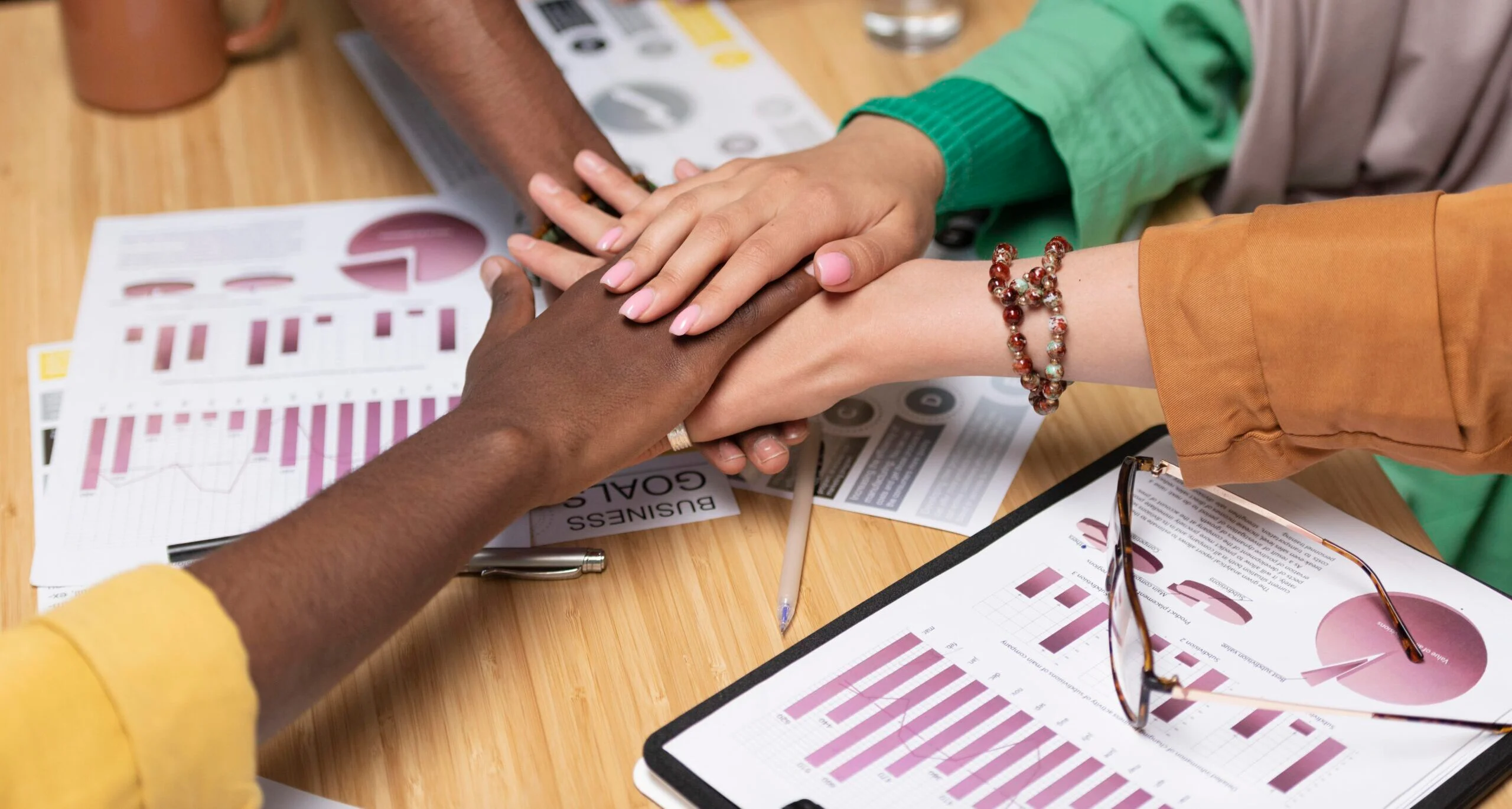
Instead, focus on helping the group complete its assignment.
Share useful suggestions, support reasonable ideas, and help keep the conversation organized.
If the team seems confused, you might suggest reviewing the instructions together.
Small contributions like these demonstrate practical cooperation.
Listen Before Responding
Good collaboration requires more than expressing your opinions.
Pay attention when other candidates speak.
Consider their suggestions before introducing your own.
If someone proposes a different approach, ask questions to understand their reasoning.
You don’t need to agree with everything.
Respectful disagreement can demonstrate thoughtful decision-making, particularly when you explain your perspective without criticizing others.
Contribute Without Dominating
One challenge during group assessments is finding the right balance between speaking and listening.
Remaining silent throughout the activity may make it difficult for assessors to understand your abilities.
But constantly interrupting others isn’t helpful either.
Look for natural opportunities to contribute.
Offer an idea, explain your reasoning, or summarize what the group has discussed.
Aim for meaningful participation rather than frequent participation.
Help Manage Time and Responsibilities
Collaborative exercises often have strict time limits.
If the group spends too long discussing one issue, completing the assignment may become difficult.
You can contribute by keeping track of time or suggesting a simple plan.
For example, you might recommend spending the first few minutes reviewing the task before discussing possible solutions.
If responsibilities need to be divided, encourage a fair arrangement.
These actions can demonstrate organization and initiative without requiring you to take charge.
Practice Collaboration During Your Job Search
When exploring opportunities through หางาน or preparing to สมัครงาน, consider whether your target employers use group assessments.
Practice discussing workplace scenarios with friends or classmates.
Focus on sharing ideas clearly, listening actively, and reaching reasonable decisions.
You don’t need to rehearse every possible activity.
Developing comfortable communication habits is usually more useful.
Stay Professional When Opinions Differ
Disagreements are normal when several people work together.
If another candidate challenges your suggestion, avoid taking it personally.
Explain your reasoning calmly and remain open to alternatives.
Sometimes the best solution combines ideas from different participants.
Employers may appreciate candidates who can help a group move forward without creating unnecessary tension.
See also: What to Expect From a California Disability Insurance Law Firm
Final Thoughts
Performing well in collaborative hiring exercises isn’t about outperforming everyone around you.
It’s about showing that you can contribute to shared goals, communicate respectfully, and adapt to different working styles.
Stay involved, listen carefully, and help the group remain productive.
Those everyday teamwork qualities can leave a strong impression long after the exercise ends.