Newsletter Subscribe
Enter your email address below and subscribe to our newsletter
Enter your email address below and subscribe to our newsletter

 ByJohn A
Natural daylight has become a defining feature of modern commercial architecture. Businesses today are placing greater emphasis on creating productive, energy-efficient, and visually appealing work environments. One of the most effective ways to achieve these goals is through the installation of commercial building skylights. These innovative daylighting solutions transform interior spaces by bringing in abundant natural light while reducing dependence on artificial lighting.
From office buildings and retail stores to warehouses, educational institutions, healthcare facilities, and hospitality venues, skylights have become an essential architectural feature. Advances in glazing technology, thermal insulation, and structural design have made modern skylights more efficient, durable, and versatile than ever before.
If you are planning a new commercial development or upgrading an existing property, understanding the benefits, design considerations, and installation requirements of commercial building skylights will help you make an informed investment. This guide explores everything you need to know, including industry trends, practical applications, maintenance advice, and expert recommendations.
Commercial properties often rely heavily on artificial lighting to illuminate large interior spaces. This not only increases electricity costs but can also create environments that feel enclosed and less inviting.
Commercial building skylights provide an effective solution by allowing daylight to penetrate deep into the building. Natural lighting creates brighter interiors, improves employee comfort, enhances customer experiences, and contributes to sustainable building practices.
Architects and developers increasingly specify skylights as part of modern building designs because they combine aesthetics with measurable operational benefits.
See also: Why a 24 Hour Locksmith Service Is Essential for Homes, Businesses, and Vehicles
Installing commercial building skylights offers a wide range of advantages for property owners, facility managers, employees, and visitors.
One of the most significant advantages is improved access to daylight. Skylights distribute sunlight more evenly than traditional wall windows because they capture light from above.
This creates brighter interiors throughout the day, even in large commercial spaces where exterior windows may be limited.
Artificial lighting accounts for a substantial portion of energy usage in commercial buildings.
By maximizing daylight, skylights reduce the need for electric lighting during business hours. This can significantly lower energy bills while supporting sustainability initiatives.
When combined with energy-efficient glazing, skylights also help regulate indoor temperatures.
Numerous workplace studies suggest that access to natural daylight can improve employee satisfaction, concentration, and overall workplace comfort.
Bright, naturally lit environments often feel more welcoming than spaces illuminated solely by artificial lighting.
Employees working in offices with skylights frequently report greater visual comfort throughout the day.
Retail stores, restaurants, hotels, and shopping centres benefit from attractive, naturally illuminated interiors.
Customers often spend more time in bright, inviting environments, creating opportunities for increased engagement and improved business performance.
Commercial skylights are suitable for a wide variety of industries.
These include:
Each environment has unique lighting requirements that can be addressed through carefully designed skylight systems.
Understanding the available options is important before selecting the most suitable solution.
Fixed skylights provide consistent daylight without ventilation.
They are commonly used in offices, retail buildings, and educational facilities where natural lighting is the primary objective.
Ventilated skylights can be opened manually or automatically.
These systems improve indoor air circulation while helping remove excess heat, humidity, and stale air.
They are especially useful in manufacturing facilities, kitchens, and large commercial spaces.
Tubular skylights transport sunlight through reflective tubes into smaller interior spaces.
They are ideal for corridors, storage rooms, and interior offices where conventional skylights cannot be installed.
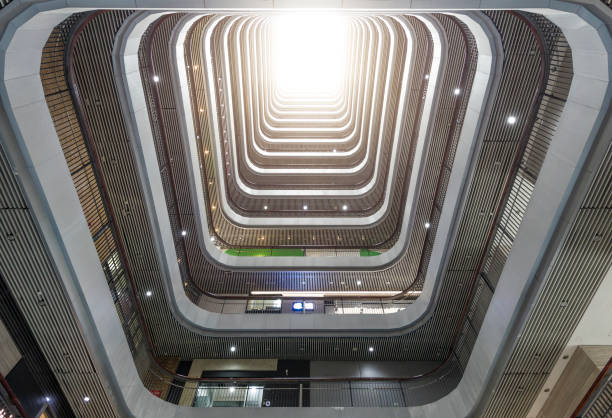
These architectural skylights create distinctive visual features while providing generous daylight.
They are commonly installed in shopping centres, atriums, and public buildings.
As commercial architecture continues to evolve, Skylights Roof Lanterns have become a popular design solution for businesses seeking to combine outstanding natural daylight with contemporary aesthetics. Roof lantern systems create impressive focal points in reception areas, conference spaces, restaurants, and commercial extensions while maintaining excellent thermal performance. Their elegant appearance and ability to distribute daylight evenly make them an attractive investment for a wide variety of commercial projects.
Selecting the right commercial building skylights involves more than simply choosing the largest available product.
Several important factors should be evaluated.
The position of the building affects daylight levels throughout the day.
North-facing skylights typically provide consistent lighting with minimal glare.
South-facing installations may require solar control glazing to reduce overheating.
Modern skylights are available with advanced glazing technologies including:
These features improve insulation while minimizing heat transfer.
Energy-efficient skylights reduce heating and cooling costs by minimizing heat loss during winter and limiting solar gain during summer.
Low U-values indicate superior insulation performance.
Commercial buildings require skylights capable of withstanding harsh weather conditions.
High-quality systems feature durable seals, robust frames, and effective drainage channels to prevent water ingress.
Consider a logistics warehouse operating primarily during daylight hours.
Before installing skylights, workers relied almost entirely on artificial lighting across the facility.
Following the installation of strategically positioned commercial building skylights, daylight illuminated much of the warehouse floor, reducing electricity usage while creating a more pleasant working environment.
The company also reported lower maintenance costs because lighting fixtures required less frequent use.
Commercial construction continues to prioritize sustainable building design.
Current trends include:
Manufacturers continue investing in research to improve energy efficiency while simplifying installation and maintenance.
Many commercial developments now pursue environmental certifications.
Commercial building skylights support sustainable construction by:
These benefits contribute to environmentally responsible building design.
Commercial skylight installations should comply with all applicable building regulations and safety standards.
Key considerations include:
Professional installation ensures compliance while maximizing long-term performance.
Routine maintenance helps preserve the efficiency and appearance of commercial skylights.
Recommended maintenance includes:
Well-maintained skylights continue performing efficiently for many years.
Selecting an experienced supplier is essential for achieving successful project outcomes.
Look for companies offering:
Reliable suppliers work closely with architects, contractors, and property owners throughout every stage of the project.
Although skylights require an initial investment, the long-term benefits often outweigh installation costs.
Commercial property owners may experience:
These advantages make commercial building skylights a worthwhile investment for many organizations.
Natural daylight creates healthier work environments while reducing reliance on artificial lighting.
Bright interiors improve product visibility and create welcoming shopping experiences.
Schools and universities benefit from improved classroom environments that support learning.
Hospitals and medical centres use skylights to create calming, naturally lit interiors for patients and staff.
Warehouses and factories improve visibility while lowering operational energy costs.
Technology continues to shape the evolution of commercial skylights.
Emerging developments include:
These innovations will further enhance energy performance and occupant comfort in commercial buildings.
Commercial building skylights have become an essential element of modern commercial architecture by combining outstanding functionality with contemporary design. They improve natural daylight, reduce energy consumption, enhance employee wellbeing, create welcoming customer environments, and support sustainable construction practices. Whether you are designing a new commercial development or renovating an existing property, investing in high-quality commercial building skylights can deliver lasting operational and financial benefits. By selecting the right products, working with experienced professionals, and prioritizing quality materials, businesses can create brighter, more efficient spaces that perform exceptionally well for years to come. contact us.